The approaching year of 2026 presents a complex landscape for economists and consumers alike, particularly regarding price stability and inflation rates. With the global economy still adjusting from the impacts of the COVID-19 pandemic and geopolitical tensions, analysts seek to provide a Price Forecast that accounts for these various influences. Understanding these trends is crucial for both businesses and consumers making financial decisions in the upcoming years.
The Global Economic Landscape
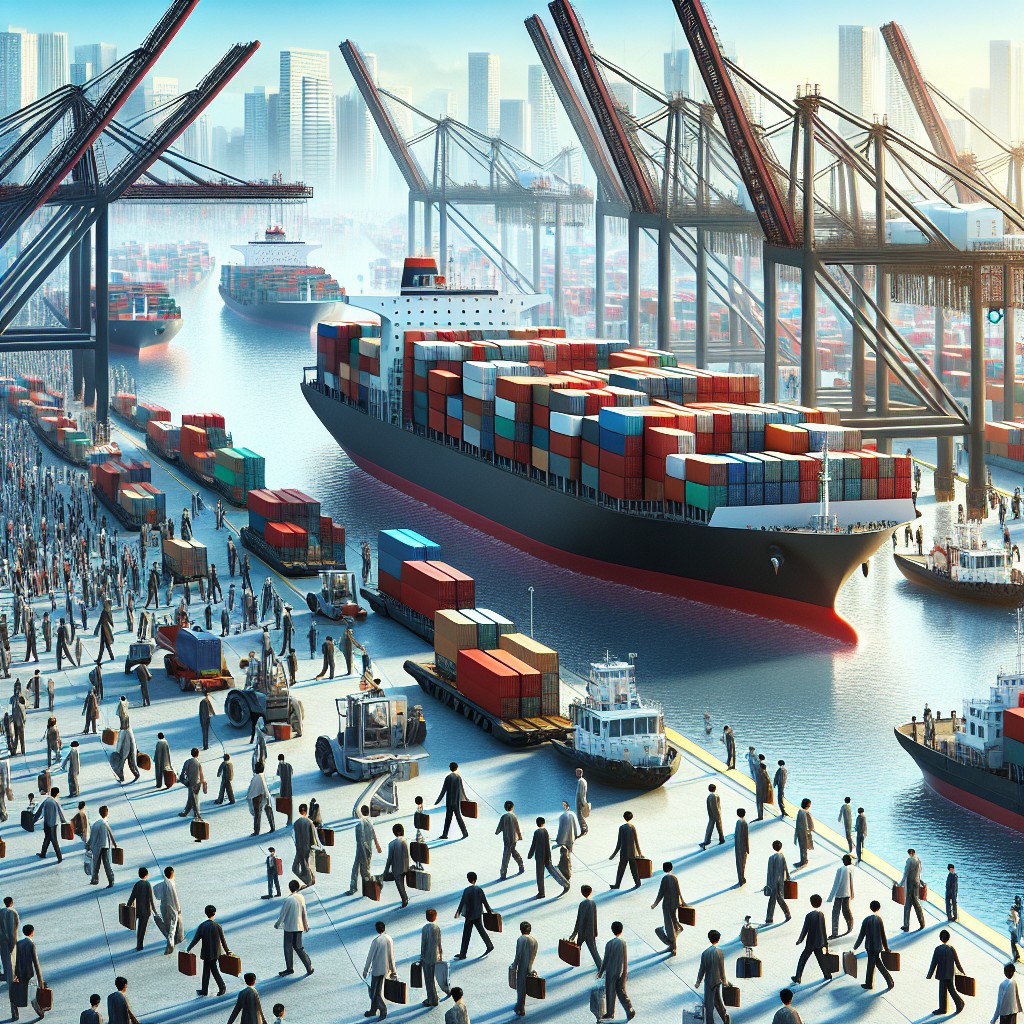
As we step into 2026, the global economic landscape is shaped by a mixture of recovery and uncertainty. Many countries are seeing a rebound in growth, partially driven by increased consumer spending and fading supply chain disruptions. However, inflation remains a concern. According to various economic reports, significant price increases in essential commodities like food and energy are likely to continue, influencing consumer purchasing power. The ongoing evaluation of monetary policy by central banks worldwide will be a crucial factor in shaping the price stability moving forward.
Forecasting Inflation Rates
Experts suggest that inflation rates may stabilize in 2026 after a turbulent period characterized by unprecedented spikes. The primary drivers of this forecast are anticipated adjustments in monetary policies aimed at curbing inflation. The Federal Reserve, along with other global monetary authorities, is closely monitoring inflation metrics to implement effective strategies. As these institutions respond to shifting economic indicators, the resulting policy changes will profoundly impact the Price Forecast across various sectors, particularly real estate and consumer goods, both of which are sensitive to inflation fluctuations.
Consumer Impact and Market Trends
With growing inflation rates, consumers have become increasingly vigilant about their spending habits. The Price Forecast for 2026 indicates that households may face tighter budgets as prices of everyday goods continue to rise. Businesses are also adapting, with many exploring cost-cutting measures or alternative sourcing strategies to maintain prices. This evolving dynamic between supply and demand is indicative of a broader trend aimed at sustaining market equilibrium while managing inflation.
Conclusion: Preparing for an Uncertain Future
As we look ahead to 2026, the price forecast remains a vital topic of discussion among economists, businesses, and consumers. While there are signs of economic recovery, inflationary pressures are still expected to impact the market significantly. Analysts emphasize the importance of staying informed on economic policies and consumer trends to navigate the potential challenges effectively.
Frequently Asked Questions about Price Forecast
What is the current trend in the Price Forecast for 2026?
The current trend in the Price Forecast for 2026 suggests inflation rates may stabilize as economies recover but are still expected to experience increased costs for essential goods.
How do geopolitical events affect the Price Forecast?
Geopolitical events can cause supply chain disruptions which may lead to higher prices, directly impacting the Price Forecast for various commodities.
Who are the primary sources for Price Forecast data?
Primary sources for Price Forecast data include international financial institutions such as the IMF and World Bank, which provide updated analyses based on economic conditions.
What factors should consumers consider in the Price Forecast?
Consumers should consider inflation trends, changes in supply chain dynamics, and monetary policy decisions when assessing the Price Forecast.
How can businesses prepare for the predictions in the Price Forecast?
Businesses can prepare for the Price Forecast predictions by adjusting their pricing strategies, exploring cost-saving measures, and staying informed on economic changes.