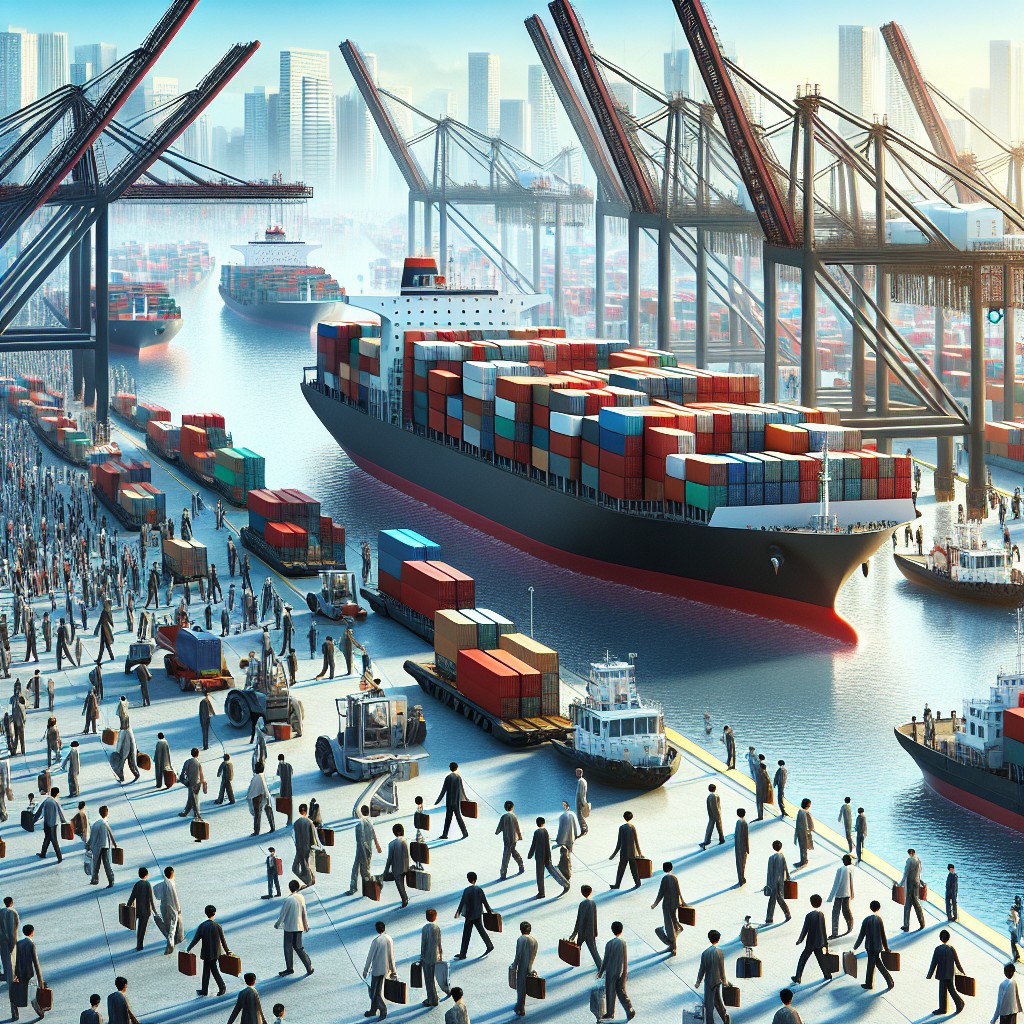
In recent years, global trade has been increasingly impacted by shipping disruptions, causing significant delays and economic challenges worldwide. Understanding the causes and mechanisms of these disruptions is vital for businesses, governments, and consumers alike.
Root Causes of Shipping Disruptions
Shipping disruption primarily arises from a combination of factors including natural disasters, geopolitical tensions, labor shortages, and unexpected surges in demand. Natural events such as storms, hurricanes, or floods can damage critical port infrastructure or block navigation routes. For example, severe weather at key ports can halt operations for days or weeks, causing cascading delays. Additionally, political conflicts or trade disputes can result in sanctions or restrictions that interfere with shipping lanes and logistics networks.
Impact of the COVID-19 Pandemic on Global Shipping
The COVID-19 pandemic magnified the frequency and severity of shipping disruptions across the globe. Widespread lockdowns led to reduced workforce availability and interruptions in supply chains. Many ports and logistics companies faced labor shortages due to illness or quarantine measures. Meanwhile, consumer demand patterns shifted unpredictably, leading to congestion at ports and delays in cargo handling. These complications drastically slowed the movement of goods, creating backlogs at major transport hubs.
How Shipping Delays Spread Globally
Delays caused by shipping disruption rarely remain isolated. Since global trade relies on interconnected networks, a bottleneck in one region quickly cascades into other areas. For instance, when a major container port experiences congestion, vessels may be rerouted or wait longer to dock, pushing back schedules. This ripple effect impacts supply chains far beyond the initial disruption point, leading to shortages and increased costs worldwide. The just-in-time inventory models many companies use further amplify the consequences.
Strategies to Mitigate Shipping Disruption
Stakeholders in the shipping industry are adopting multiple strategies to reduce risks associated with shipping disruptions. These include diversifying shipping routes, increasing port automation, and investing in predictive technologies to anticipate delays. Governments and international organizations also work to improve regulatory coordination and infrastructure resilience. Collaboration between public and private sectors remains crucial to effectively manage and mitigate the impacts of shipping disruption going forward.
The Role of Technology in Managing Shipping Delays
Advancements in technology have become essential in addressing shipping disruption challenges. Real-time tracking systems, artificial intelligence, and blockchain help improve transparency and coordination across global supply chains. These tools enable faster response times and more informed decision-making during disruptions. Furthermore, technological improvements in cargo handling and port operations increase efficiency, helping to reduce the likelihood and duration of delays caused by disruptions.
In conclusion, shipping disruption is a complex phenomenon arising from diverse and interrelated causes. Recent global events have underscored the vulnerability of maritime supply chains and the global economy to such interruptions. While no single solution exists, continued investment in infrastructure, international cooperation, and technology adoption are expected to enhance the resilience of global shipping networks in the near future.
For more detailed insights into how shipping disruption affects international trade, the World Shipping Council provides updated data and reports. Additionally, the Bloomberg Markets section offers ongoing analysis of current shipping and logistics challenges worldwide.
Frequently Asked Questions about shipping disruption
What is a shipping disruption?
A shipping disruption refers to any event or condition that interrupts or delays the normal flow of goods through maritime transportation networks, affecting global trade timelines.
What are the main causes of shipping disruption?
Main causes include natural disasters, labor shortages, geopolitical conflicts, port congestion, and unforeseen changes in market demand that affect shipping operations.
How do shipping disruptions affect global supply chains?
Shipping disruptions can delay deliveries, increase costs, and create inventory shortages, which in turn impact manufacturing, retail, and consumer availability worldwide.
Can technology reduce the impact of shipping disruption?
Yes, technologies such as real-time tracking, automation, and data analytics improve supply chain visibility and efficiency, helping mitigate the effects of shipping disruption.
Where can I find reliable information on current shipping disruptions?
Organizations like the World Shipping Council and major financial news outlets provide authoritative data and ongoing reports on the status of shipping disruption globally.