Across the globe, energy grids are facing increasing pressure from climate change, aging infrastructure, and growing electricity demand. Blackouts, sometimes affecting millions, have raised urgent questions about the effectiveness of current systems and the necessary upgrades. Understanding the causes of blackouts and evaluating the solutions that enhance grid resilience is critical for securing reliable power supply worldwide.
Factors Driving Blackouts in Modern Energy Grids
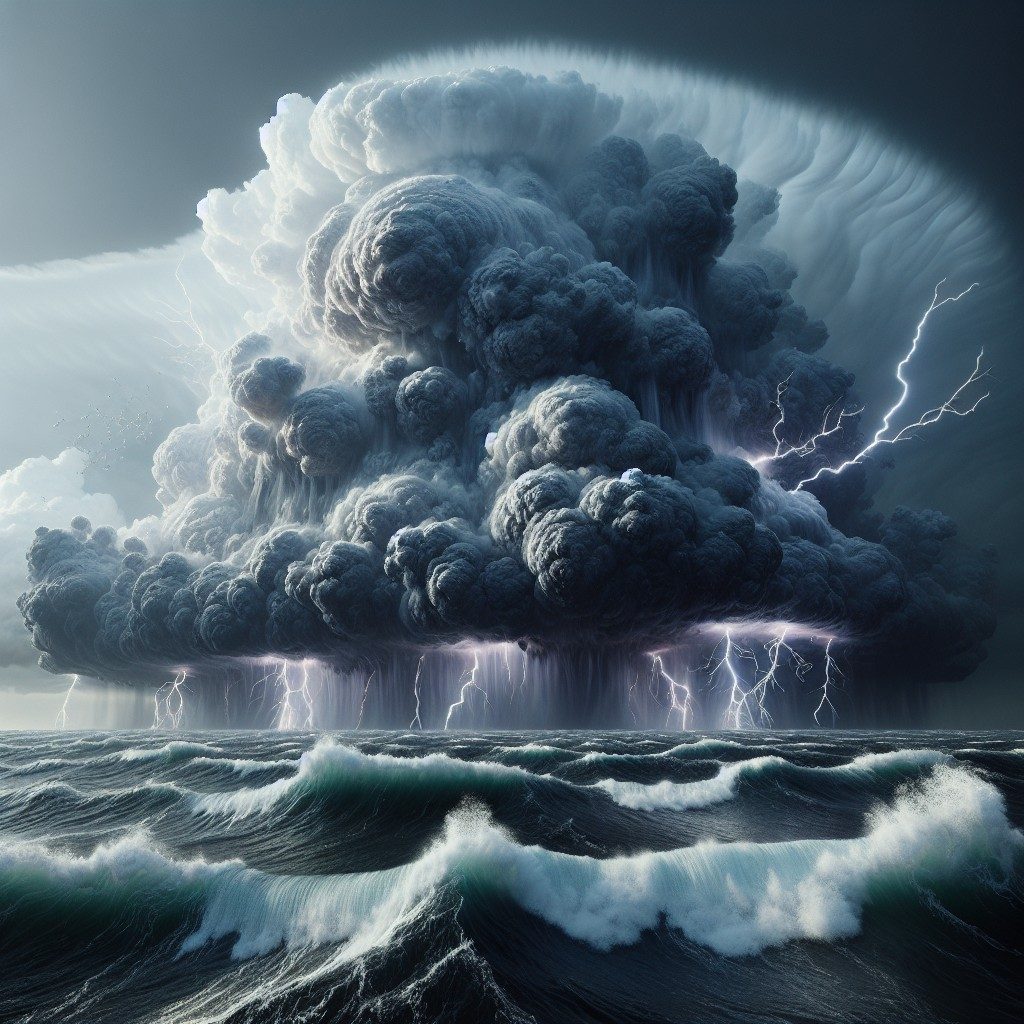
Blackouts occur due to a variety of interconnected reasons. Extreme weather events like storms, heatwaves, or cold snaps can damage critical transmission lines and substations or create demand spikes that overload the system. Additionally, many energy grids rely on equipment that is several decades old, leading to failure risks without frequent maintenance or upgrades. Cybersecurity vulnerabilities and human errors also contribute to unplanned outages.
The Role of Grid Resilience in Preventing Outages
Grid resilience refers to the capability of an energy network to anticipate, absorb, adapt to, and rapidly recover from disruptions. A resilient grid not only withstands shocks like natural disasters or technical failures but also maintains stable electricity delivery. Investments in grid resilience enable utilities to minimize downtime and mitigate the severity of blackouts.
Upgrades Enhancing Grid Resilience Globally
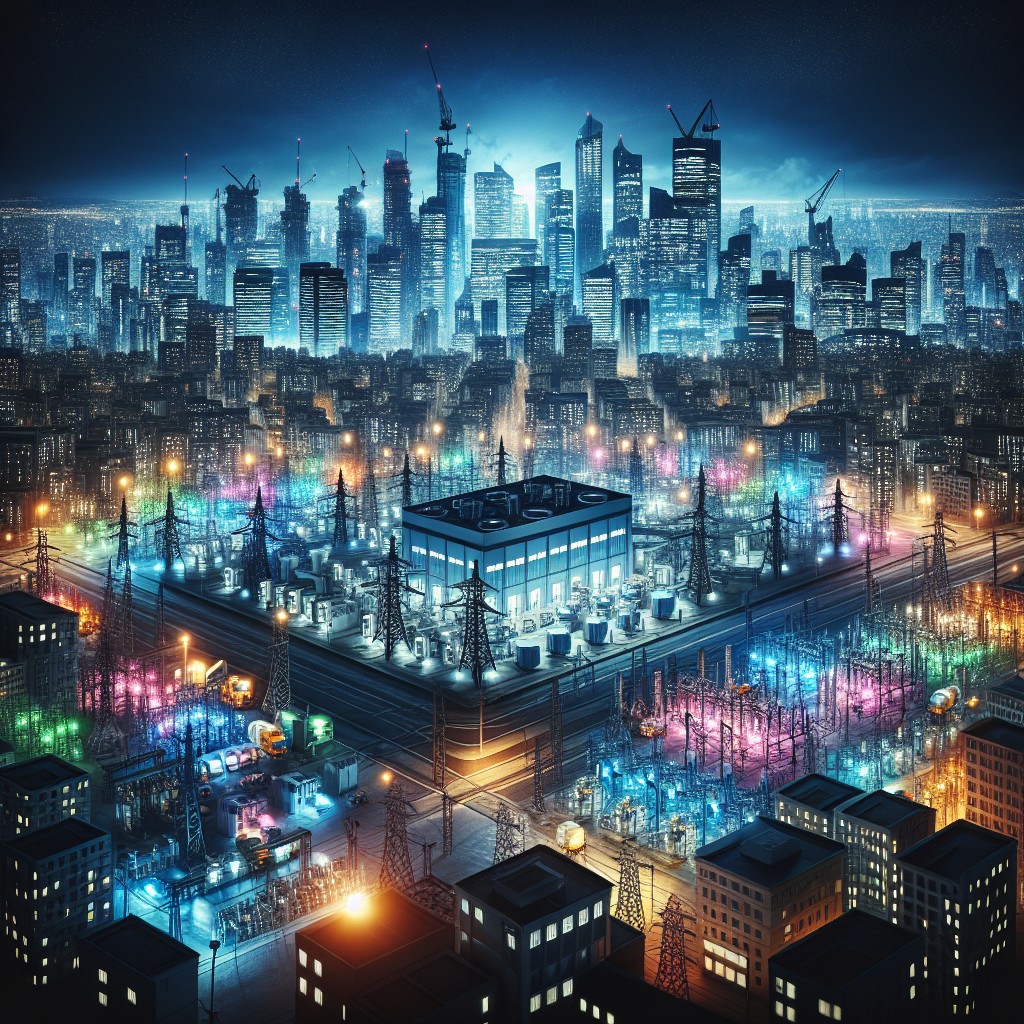
Energy grid upgrades focus on modernizing infrastructure through smart technologies and diversified power sources. Advanced sensors, automated controls, and real-time data analytics allow operators to identify faults early and isolate problems before they escalate. Integrating renewable energy and distributed generation reduces dependency on centralized power plants, improving adaptability. Government and industry collaboration is also boosting resilience by establishing standards and funding for grid hardening projects.
Challenges in Implementing Effective Fixes
Despite progress, significant barriers remain in enhancing grid resilience worldwide. The high costs of upgrades, bureaucratic hurdles, and inconsistent regulatory environments slow deployment. In many countries, expanding infrastructure in remote or underserved regions is challenging. Moreover, balancing investments between upgrading aging legacy systems and integrating new technology requires careful planning to ensure long-term reliability.
Looking Ahead: Strategies for Sustainable Grid Reliability
Experts predict that continued focus on grid resilience will be essential as energy systems evolve. Emphasizing decentralized energy resources, reinforcing cybersecurity, and leveraging artificial intelligence for predictive maintenance are seen as future pillars. Furthermore, international cooperation on technical standards and emergency response protocols can enhance global energy security and reduce blackout risks.
Frequently Asked Questions about grid resilience
What is grid resilience and why is it important?
Grid resilience is the energy system’s ability to anticipate, respond to, and recover from disruptions. It is important because it ensures continuous electricity supply even during adverse events like natural disasters or equipment failures.
What causes blackouts despite efforts to improve grid resilience?
Blackouts can still occur due to severe weather, infrastructure aging, cyberattacks, or operational errors. Even with strong grid resilience measures, unexpected extreme events or system complexities may lead to outages.
How do smart technologies contribute to grid resilience?
Smart technologies provide real-time data, automation, and fault detection, enabling faster response to problems and minimizing outage impacts, thus significantly enhancing grid resilience.
Can renewable energy integration improve grid resilience?
Yes, integrating renewables and distributed energy resources reduces dependence on centralized plants and increases flexibility, improving the overall grid resilience by diversifying energy sources.
What are the main challenges in upgrading energy grids for better resilience?
Key challenges include funding limitations, regulatory complexities, aging infrastructure, and the technical difficulties of integrating new technologies with existing systems while maintaining reliable power.